




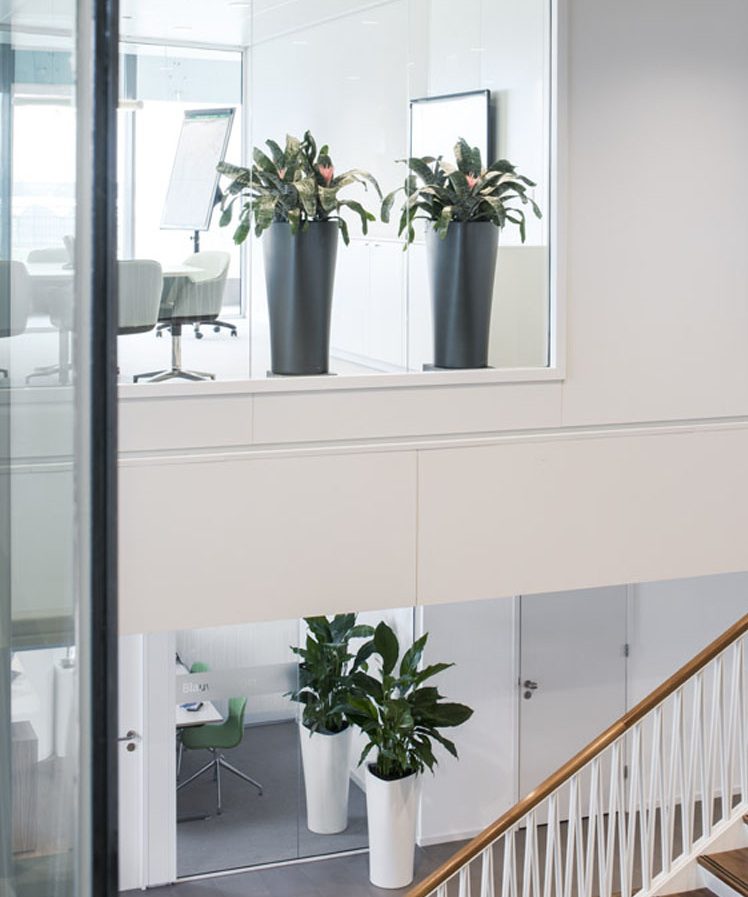
In today’s workplace, plants are more than decoration. They are essential elements of healthy, engaging, and productive environments. Studies consistently show that greenery reduces stress, improves air quality, and enhances the overall employee experience. But to achieve these benefits, businesses rely on the expertise of interior landscape companies. The right indoor landscaping company knows how to design, install, and maintain plant programs that thrive in commercial settings, balancing beauty, sustainability, and practicality.
The best interior landscape companies follow proven best practices that keep offices, and the people who work in them, at their best.
Choosing the Right Plants for the Available Light
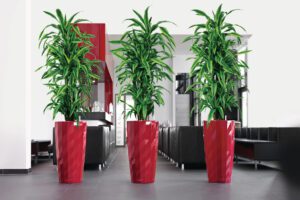
Dracena Canes
Lighting is the single most important factor in interior landscaping.
The top interior landscape companies conduct a careful assessment of natural and artificial light levels before selecting plant species. For example, plants in a bright atrium may thrive, while workstations with limited natural light or old fashion office fluorescent lighting are better suited to low-light species like ZZ plants or Sansevieria. By matching the plant to the environment, companies ensure long-term success and prevent costly replacements.
This expertise goes beyond design. Interior landscape companies also educate clients on how lighting changes seasonally and recommend supplemental lighting if necessary.
Sub-Irrigation for Efficiency and Sustainability

How Sub irrigation works
Watering is one of the most common challenges in plant care. Traditional top watering can lead to overwatering, under-watering, and inconsistent results. That’s why the best interior landscape companies rely on sub-irrigation systems.
Sub-irrigation delivers water directly to the roots through hidden reservoirs, promoting healthier growth while reducing water waste. This system not only extends the life of plants but also minimizes the labor required for maintenance visits. For companies committed to sustainability, sub-irrigation is a practical solution that reduces both environmental impact and costs.
Matching Plants to the Space and Use
Offices, hotels, restaurants, and healthcare facilities all have different demands when it comes to interior landscaping. Professional interior landscape companies understand these nuances.
Offices
In office environments, plants need to boost employee morale and withstand routine traffic without constant intervention.
Hotels
In hotels, lobbies and public spaces call for high-impact designs that create a memorable first impression for guests.
Healthcare
Healthcare facilities require plants that are low-maintenance and supportive of patient wellness, with species selected for their non-toxic and allergen-conscious properties.
Retail
In retail, greenery must align with the brand and help guide the customer journey
By tailoring plant choices and design strategies to each type of space, interior landscape companies deliver maximum impact while ensuring plants can thrive in their specific environments.
Professional Top Dressing and Staging
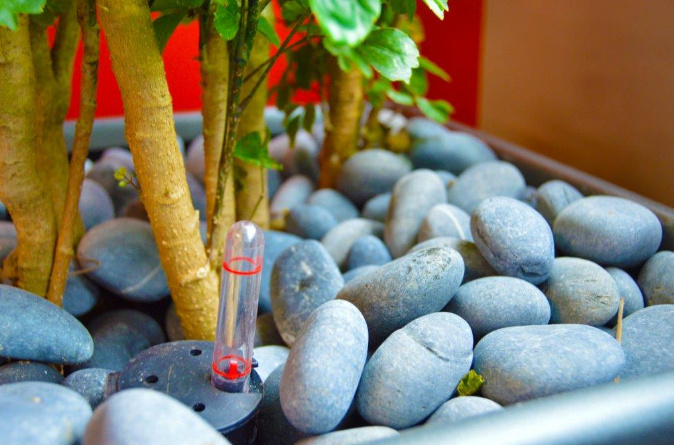
Details matter in professional interiors. The leading interior landscape companies know that top dressing (decorative materials placed over soil) elevates the overall presentation of plants. Options like polished stones, moss, or dark perlite-free soil provide a clean, professional finish while also reducing evaporation and discouraging pests.
Staging is equally important. Plants must be carefully positioned to enhance sight lines, complement furnishings, and support brand identity. A poorly placed plant can look like an afterthought, while a professionally staged display becomes a signature element of the space.
What to Look for When Choosing an Interior Landscape Company
Not all interior landscape companies operate at the same level. The difference between a vendor that keeps plants alive and a true partner that elevates your space comes down to a few key factors.
Experience and specialization matter. A company that has spent decades working exclusively in commercial interior environments understands the unique challenges of those spaces, from managing plant health under artificial lighting to coordinating installations around occupied offices. General landscaping or garden center experience does not translate directly to indoor commercial work.
Maintenance programs are equally important. The best indoor landscaping companies don’t just install and walk away. They provide structured, recurring maintenance visits with trained technicians who can identify early signs of decline, adjust care based on seasonal changes, and replace underperforming plants before they detract from the space.
National capability is a consideration for multi-location clients. Managing a consistent plant program across dozens or hundreds of locations requires infrastructure, logistics, and vendor relationships that smaller regional companies often cannot support. If your portfolio spans multiple markets, look for interior landscape companies with demonstrated national account experience.
Why Partner with an Established Interior Landscape Company
Working with experienced firms offers peace of mind. Instead of guessing about plant care, businesses gain a partner that ensures their investment pays off in the long run. Reliable interior landscape companies provide routine maintenance, seasonal updates, and expert troubleshooting, keeping offices looking vibrant year-round.
Planterra, for example, is one of the most established interior landscape companies in North America, proudly serving national accounts throughout the USA and Canada. With decades of expertise, Planterra is known for combining innovative horticultural practices with creative design, ensuring plants not only survive but thrive in even the most challenging indoor conditions.
The Right Interior Landscape Company Makes All the Difference
Plants are vital to creating workplaces that inspire, heal, and energize. But achieving lasting results requires more than a trip to the garden center. It requires the knowledge and skill of professional interior landscape companies. By selecting the right plants for the available light, using sub-irrigation, matching greenery to the specific environment, and paying attention to finishing details like top dressing and staging, these companies ensure that every office can reap the full benefits of nature indoors.
Managing one office or an entire portfolio of properties, you’ll find that partnering with a trusted interior landscape company is one of the most effective ways to keep your spaces thriving.
Planterra has been designing and maintaining interior landscape programs for commercial clients across North America for nearly 50 years. Whether you need a single-location installation or a coordinated national account program, our team can help you build a plant environment that performs. Contact us to start a conversation.