




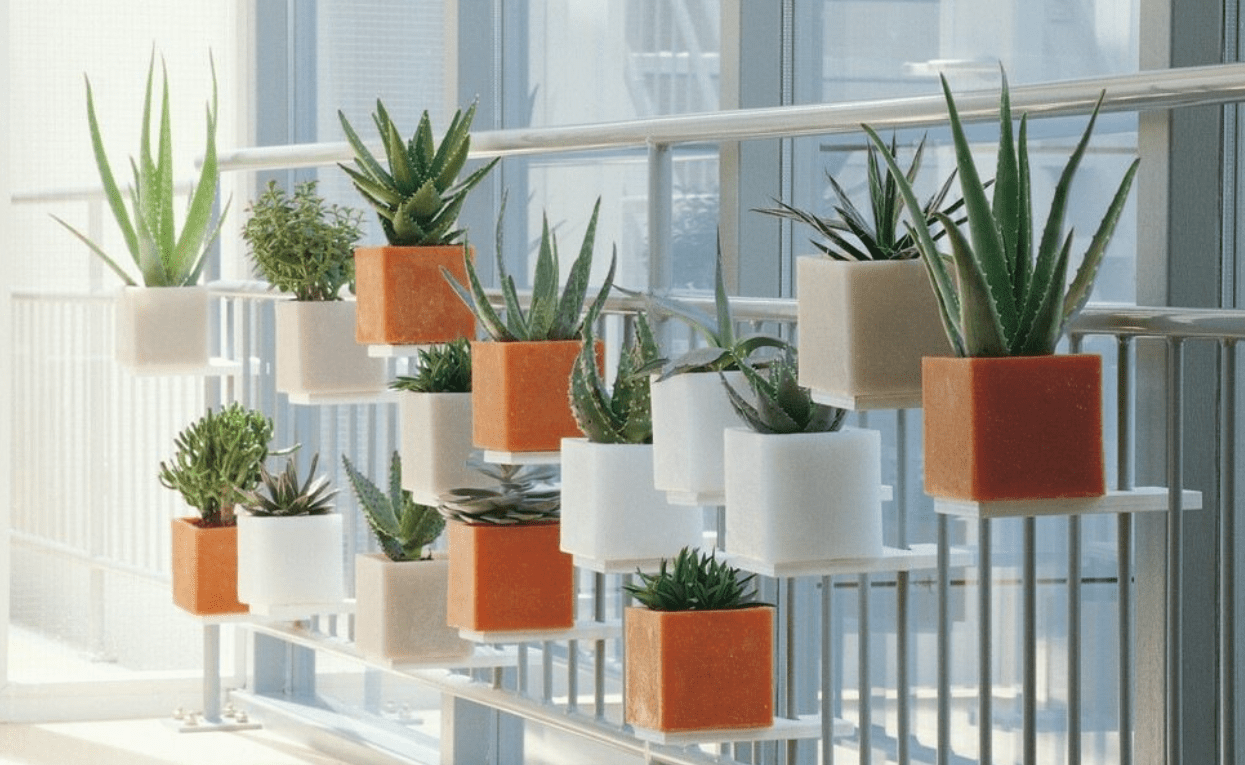
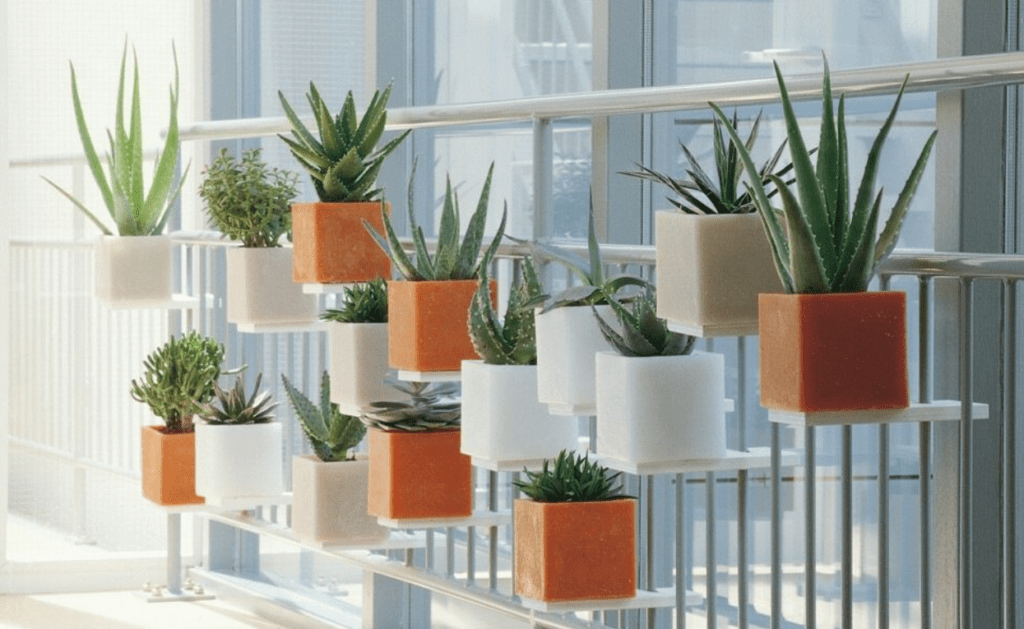
Succulent plants have become a familiar visual language in contemporary design. Their sculptural forms, muted colors, and architectural clarity align naturally with modern interiors. But while succulents are often perceived as easy or low-maintenance, their successful use in interior landscape design requires far more intention than many designers expect.
At Planterra, succulents are approached as a design accent rather than a default plant solution. Used correctly, they deliver a strong visual impact. Used incorrectly, they decline quickly, undermining both aesthetics and client expectations. Understanding where succulents thrive and where they struggle is essential to designing interiors that look good not just on opening day, but over time.
The Design Value of Succulent Plants Indoors
Succulent plants contribute a distinctly different quality to interior landscapes than traditional foliage plants. Succulents offer structure, geometry, and contrast.
When arranged in shallow bowls or sculptural vessels, succulents provide color and freshness similar to floral arrangements or live blooming plants. This makes them particularly effective as short-term visual highlights in lobbies, reception desks, or hospitality settings. Because of this, Planterra most often specifies succulents as rotation plants, allowing them to be enjoyed at their peak before natural decline becomes visible.
Certain species can also function as focal point floor plants, particularly when mature. Large succulents such as jade plants or pencil cactus read less like conventional greenery and more like living sculpture.
The Feasibility of Succulent Installations in Building Interiors
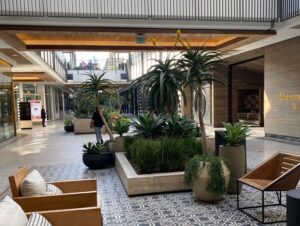 Despite their popularity, succulents are among the most light-dependent plants used in interior landscapes. True succulents evolved in environments with intense sun exposure, and those biological expectations do not disappear indoors.
For succulents to perform well long term, they require what interior landscaper professionals consider high light, strong natural daylight, direct sun exposure, or supplemental lighting specifically designed to support plant photosynthesis. In most commercial interiors, these conditions are rarely met on a consistent basis.
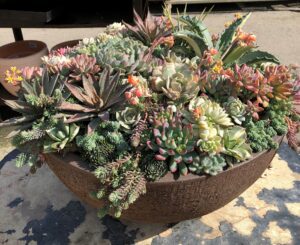 As a result, succulent bowls and tabletop displays typically remain viable indoors for only 30 to 60 days before signs of stress or decline appear. Floor specimens require placement immediately adjacent to high-performance glazing, skylights, or atrium conditions with abundant daylight. Without these factors, succulents slowly weaken, stretch, or discolor, even if watering practices are correct.
This reality is why rotation programs or alternative plant selections are often the most responsible way to incorporate succulents into interior designs.
The Best Succulent Plants for Interior Landscape Design
Interestingly, the most successful succulents used indoors are often plants people do not immediately recognize as succulents at all. Below are the species that perform most reliably in commercial interior landscape design.
Sansevieria (Snake Plant)
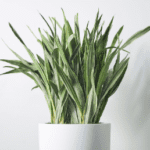 Sansevieria is technically a succulent, though it is typically designed and maintained like a traditional foliage plant. Its upright structure, tolerance for variable light, and durable root system make it one of the most dependable succulent options for interior environments. It works well in both floor planters and architectural containers.
Zamioculcas zamiifolia (ZZ Plant)
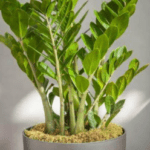 The ZZ plant is another succulent species that performs reliably indoors. Its thick rhizomes store moisture, allowing it to tolerate irregular watering and moderate light conditions. With its glossy, symmetrical foliage, ZZ functions effectively as a low-maintenance accent plant in corporate and hospitality settings.
Jade Plant (Crassula ovata)
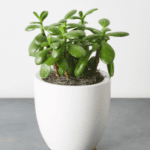 For clients seeking a more classic succulent appearance, jade plants are among the most viable options. Slow-growing and sculptural, jade plants develop thick trunks and branching forms over time, becoming increasingly visually compelling as they mature. Smaller specimens serve well as tabletop accents, while established plants can anchor high-light interior spaces.
Pencil Cactus (Euphorbia tirucalli)
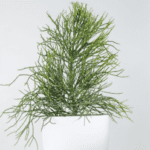 Pencil cactus offers a distinctly architectural profile with its slender, vertical stems. Best suited for high-light locations, it reads as living sculpture within modern interiors. Like jade, it performs most successfully when placed adjacent to strong natural daylight or supported by supplemental lighting.
Can Succulents Be Used in Living Green Walls?
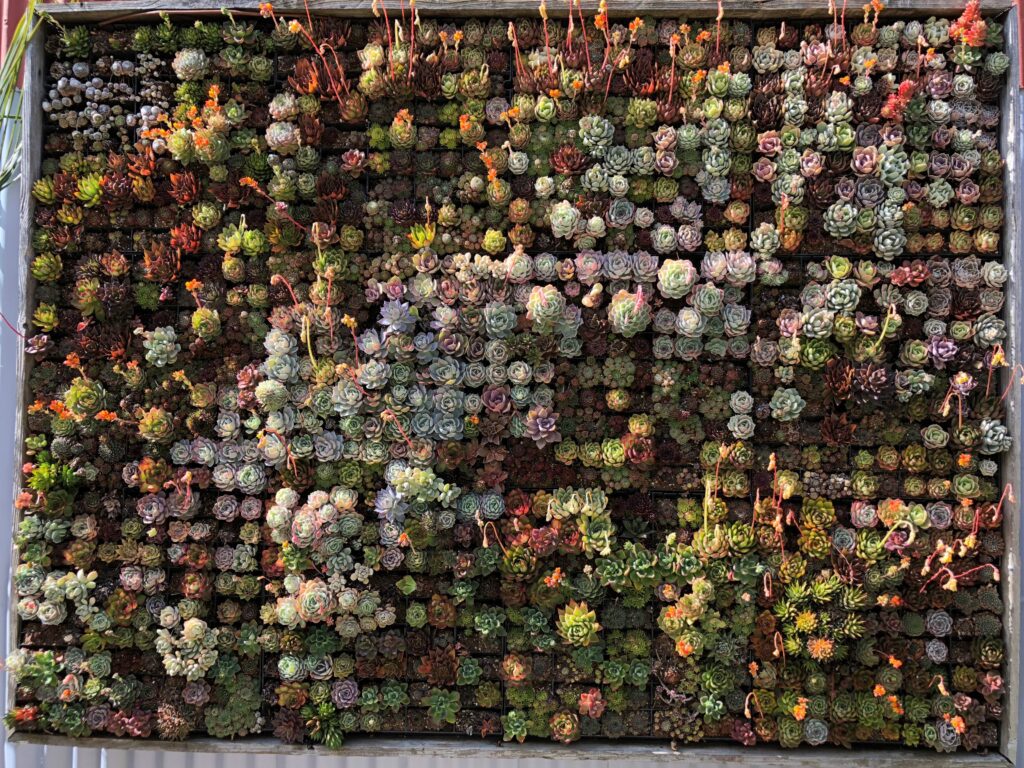
It is technically possible to construct a living green wall using succulents, but such installations are rarely practical inside buildings. Succulent green walls require exceptionally high light levels and present additional challenges related to plant weight, irrigation systems, and structural support.
For these reasons, Planterra generally recommends live succulent walls only in exterior environments where climate and sun exposure naturally support them. Arid regions such as California, Arizona, and Nevada offer ideal conditions for these installations outdoors.
Indoors, succulent green walls are best limited to temporary exhibits, botanical gardens or zoos where bright light with clear is part of the building design. When the goal is to achieve the visual effect of succulents rather than biological performance, high-quality faux succulent walls are typically the most practical solution.
Live vs. Faux Succulent Plants in Commercial Interiors
Live succulent plants always deliver the most authentic experience. Their subtle color variation, organic growth patterns, and natural imperfections reinforce a sense of quality and craftsmanship. For brands and organizations that emphasize luxury, authenticity, or wellness, live succulents, when conditions allow, remain the preferred choice.
At the same time, faux succulents have become increasingly convincing. The smooth, waxy textures of succulents translate well to synthetic materials, making artificial versions visually effective in low-light environments. Faux installations offer consistency and predictability, with the understanding that they will require refreshing or replacement after several years as materials age.
In many commercial interiors, the decision between live and faux succulents comes down to balancing authenticity, budget, and long-term performance.
Where Succulent Designs Perform Best
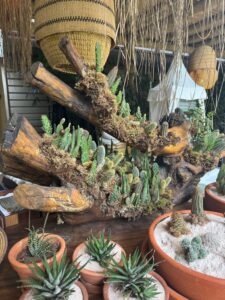 Succulents perform best in environments that closely mirror their natural biology. Outdoor courtyards, walkable retail districts, hospitality settings, and mixed-use developments in warm, arid climates provide ideal conditions for incorporating succulents without compromise. In these regions, succulents can live outdoors year-round, allowing designers to integrate them into the exterior built environment as permanent landscape elements rather than temporary features. Over time, they move beyond trend and become part of the architecture itself.
Carrying that aesthetic language indoors is often a logical and intentional extension of the exterior design. When succulents define the character of an outdoor space, continuing their use inside reinforces visual continuity and brand identity. While interior conditions typically require succulents to be treated as rotation elements rather than permanent installations, the design impact remains strong, allowing interiors to echo the same sculptural, modern sensibility established outdoors.
Design Succulent Gardens with Biology in Mind
Succulent plants are often described as easy, but in reality, they are simply specific. They reward thoughtful placement and punish shortcuts. Successful interior landscape design respects both visual intent and biological reality, ensuring that plants enhance a space long after installation.
When succulents are used with clarity and restraint, they bring elegance, structure, and modernity to interior environments. When forced into unsuitable conditions, they quietly fail. The difference lies not in the plant, but in the design decisions behind it.
Talk to Us About Succulents for Your Project
Planterra is one of the largest interior landscaping firms in North America, delivering design, installation, and ongoing plant care services for enterprise clients across the U.S. and Canada.
To discuss succulent options for a specific space or upcoming project, contact Planterra to start a design and specification conversation.